


Why Am I Losing Eyelashes? Understanding Eyelid Health (and Dry Eye) in Milwaukee

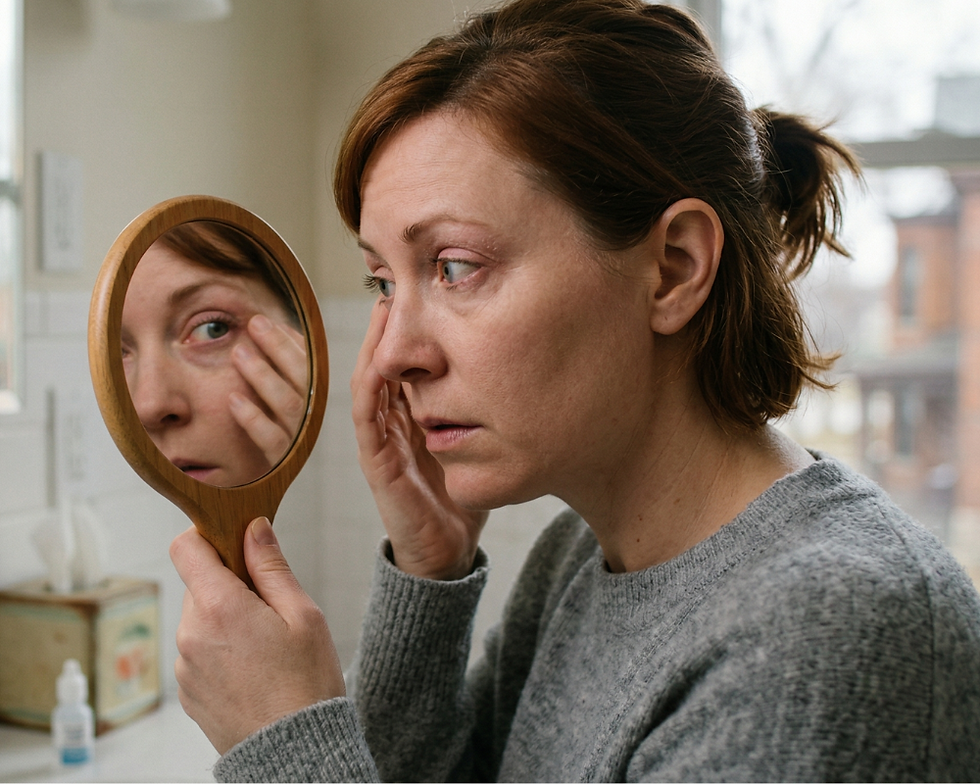
Finding eyelashes on your cheek, pillow, or in the sink can be unsettling—especially if your lashes look thinner or your mascara suddenly isn’t giving you the same “full” look. The good news is that some lash shedding is normal. But when lash loss is noticeable, patchy, or keeps happening, it’s often a sign that your eyelids (and the tear film they support) need attention.
At Eyes on the Lake, we frequently see eyelash thinning in patients who also have dry eye symptoms—burning, redness, watery eyes, or blurry vision that comes and goes. In many cases, the root cause is inflammation along the lid margin, such as blepharitis or meibomian gland dysfunction (MGD).
If you’ve been Googling “losing eyelashes” or “eyelash loss and dry eyes,” this guide will help you understand what may be happening—and when it’s time to see a Milwaukee dry eye specialist.
What’s normal vs. what’s not?
Eyelashes grow in cycles, so losing an occasional lash is expected. What’s more concerning is:
Clumps of lashes coming out at once
Patchy “gaps” along the lash line
Red, itchy, flaky lids or crusting on the lashes
Recurrent styes/chalazia
Burning, gritty eyes or contact lens discomfort
If lash shedding is happening alongside dry eye symptoms, the lash line may be reacting to the same inflammation that’s destabilizing your tear film.
Common eyelid-related reasons eyelashes thin or fall out
1) Blepharitis (lid margin inflammation)
Blepharitis is chronic inflammation at the base of the lashes. It can cause redness, irritation, and debris along the lash line—especially in the morning. Over time, inflammation around the follicles can lead to eyelash breakage or thinning, and it often overlaps with dry eye.
Clues include itchy lids, crusting, flaky skin at the lash base, and a “tired” irritated feeling that keeps returning.
2) Meibomian gland dysfunction (MGD)
MGD happens when the oil glands in your eyelids become blocked or the oil becomes thick. That oil layer is essential—it slows evaporation so your tears don’t disappear too quickly.
When MGD is present, the lid margin environment becomes clogged and inflamed. That same inflammation can contribute to eyelash issues, while also driving evaporative dry eye (burning, watering, fluctuating vision, and contact lens intolerance).
If you’re searching for MGD treatment in Milwaukee, it’s because treating the oil glands is often the missing piece—not just using more drops.
3) Demodex (lash-line mites)
Demodex mites are microscopic and extremely common. In some patients they contribute to significant irritation and inflammation around the lashes. A classic sign is a sleeve-like buildup around the lash base (often called “collarettes”), along with itching (frequently worse in the morning) and lash shedding.
The key: if Demodex is involved, basic cleansing alone may not be enough—targeted treatment can make a big difference.
4) Rubbing, allergies, and dry eye flare-ups
When eyes itch or burn, rubbing is a natural reflex—but repeated rubbing can physically damage lashes and irritate follicles. Seasonal allergies and unmanaged dry eye can keep you stuck in a cycle of itching → rubbing → inflammation → more symptoms.
5) Makeup habits, skincare, and lash products
Cosmetics can irritate the eyelids more than people realize, especially if you already have dry eye or blepharitis. Common contributors include:
Waterproof mascara (harder to remove, more tugging)
Sleeping in eye makeup
Expired products or sharing makeup
Harsh removers or aggressive scrubbing
Tightlining eyeliner along the inner lid margin (can clog gland openings)
Some lash serums or skincare products that irritate sensitive lids
Even “good” habits like using an eyelash curler can become a problem if it’s pulling lashes or used on brittle lashes during a flare.
6) Extensions and adhesives
Lash extensions and adhesives can cause inflammation or traction. If you notice thinning after extensions—or irritation after application—it may be a sign your lash follicles need a break and your lids need calming.
Other causes to keep on the radar
Less commonly, lash loss can be influenced by thyroid disease, autoimmune conditions (like alopecia areata), certain medications, chemotherapy, nutritional deficiencies, or skin conditions such as eczema/dermatitis. If lash loss is sudden, patchy, or paired with scalp or eyebrow hair loss, it’s important to be evaluated.
How a Milwaukee dry eye specialist can help
During a Dry Eye Evaluation with Dr. Vaugn Schneider, we look closely at:
The eyelid margins and lash follicles
Signs of blepharitis, MGD, or Demodex
Tear film stability and meibomian gland function
Triggers like allergies, contact lens wear, screen time, and cosmetics
Treatment may include a personalized combination of lid hygiene routines, warm compress therapy, in-office gland expression or lid cleaning, targeted treatment when mites are involved, and dry eye therapies designed to reduce inflammation and stabilize your tear film.
What you can do today to protect your lash line
If you’re noticing eyelash thinning, start with gentle, consistent eyelid care:
Use a warm compress for 8–10 minutes, then gently clean the lash line with a lid wipe or lid cleanser
Stop rubbing (treat the itch instead)
Replace old eye makeup and avoid sharing cosmetics
Remove makeup thoroughly every night—gently, without tugging
Consider pausing extensions/false lashes during flare-ups
Use preservative-free artificial tears if your eyes feel dry
When to seek prompt care
Call promptly if you have significant pain, rapidly spreading eyelid swelling/redness, discharge, light sensitivity, sudden vision changes, or rapid patchy lash loss.
If you’re tired of guessing why your lashes are thinning—and you want a plan that addresses eyelid health and dry eye together—we’re here to help.
Click to schedule your Dry Eye Evaluation with Dr. Vaugn Schneider today.


Comments